For three years, I was a calisthenics purist. Bodyweight only. No barbells. No dumbbells. No machines. I looked at weight lifters the way vegetarians look at a steakhouse — with moral superiority and secret curiosity.
Then I added weights back. And everything changed.
Combining strength training with calisthenics and parkour is way more fun. The body is constantly guessing. It never adapts to one stimulus because you keep throwing different challenges at it. One day you're grinding out heavy deadlifts. The next day you're practicing handstands on a rooftop. The day after that, you're doing precision jumps between walls.
This is hybrid training. And if you program it right, it doesn't just work — it makes everything better.
Why I Went Hybrid After 3 Years of Pure Calisthenics
I'll be honest about why I added weights. My front lever was stuck. My posterior chain — lower back, glutes, hamstrings — wasn't strong enough to support the hold at full extension. And no amount of bodyweight rows or dragon flags was closing the gap.
The problem with pure calisthenics is progressive overload for pulling and posterior chain work. Push-ups can be progressed to planche push-ups. Squats can be progressed to pistol squats. But for raw posterior chain strength — the kind that holds your body horizontal in a front lever — there's no bodyweight substitute for a heavy barbell deadlift.
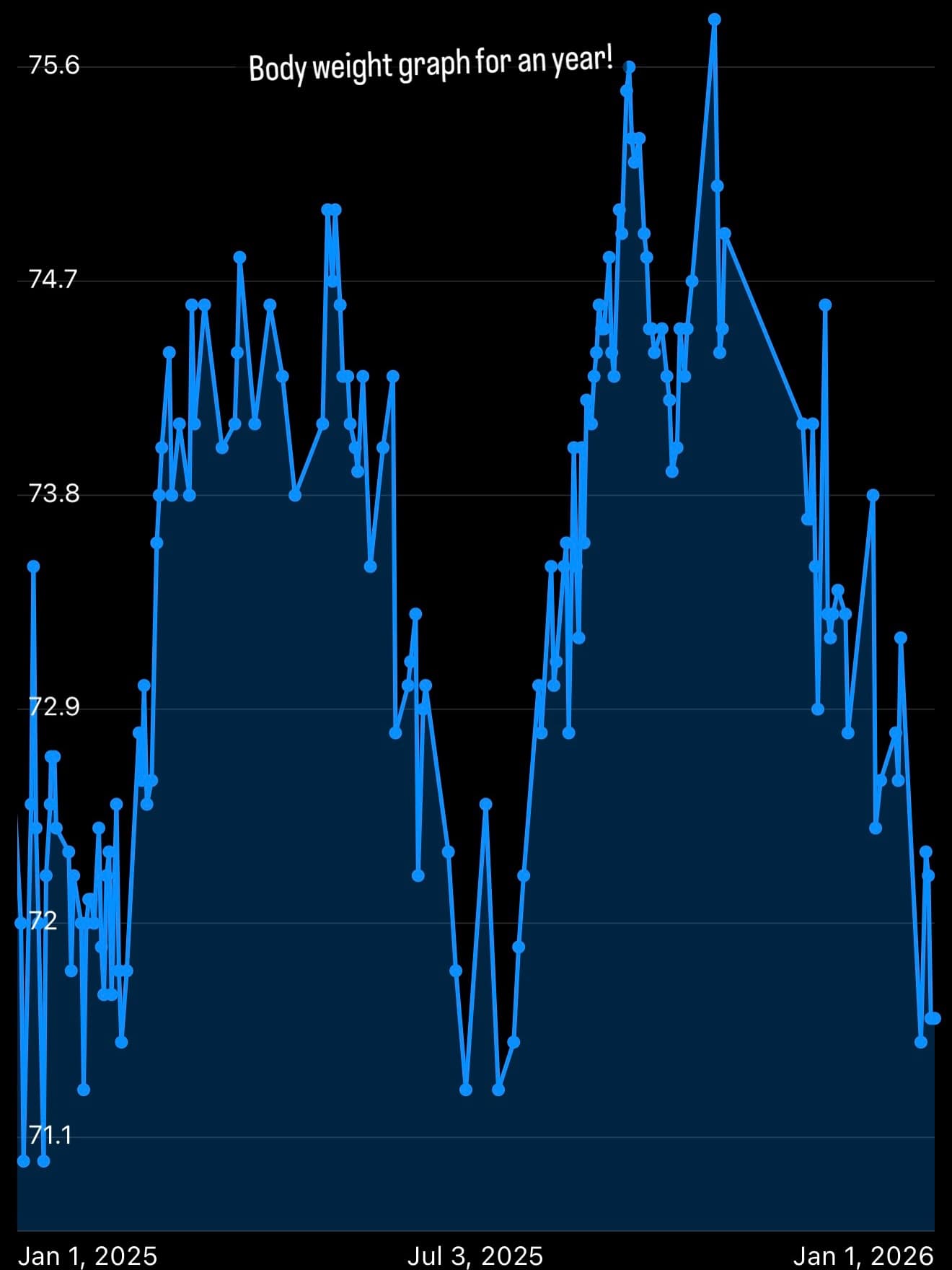
So I humbled myself. Walked into a gym. Picked up a barbell. And within four months, my deadlift went from an embarrassing 60kg to a respectable 100kg. Within a year, 140kg. And my front lever? The straddle that had been stuck for months suddenly progressed to a full hold.
The barbell deadlift for posterior chain transferred directly to front lever. That's not a theory. That's what happened in my body, in my training log, documented week by week.
The debate between weights and calisthenics is stupid. It's like arguing whether the left wing or the right wing is more important for the bird. You need both to fly.
The Split: 3 Days Weights + 3 Days Skill + 1 Day Mobility
After a lot of experimentation — and I mean a LOT of bad programming, overtraining, and injury scares — I landed on a split that works. Here it is:
Monday: Heavy Upper (Weights)
- Weighted pull-ups — 5 sets of 5
- Overhead press — 4 sets of 6
- Barbell rows — 4 sets of 8
- Weighted dips — 4 sets of 6
- Face pulls — 3 sets of 15
Tuesday: Skill Day (Calisthenics)
- Handstand practice — 20 minutes
- Front lever progressions — 15 minutes
- Muscle-up practice — 10 minutes
- L-sit work — 10 minutes
Wednesday: Heavy Lower (Weights)
- Barbell deadlift — 5 sets of 5
- Barbell squat — 4 sets of 6
- Bulgarian split squats — 3 sets of 10
- Calf raises — 4 sets of 15
- Hip thrusts — 3 sets of 10
Thursday: Skill Day (Calisthenics + Parkour)
- Handstand push-ups — work up to max clean reps
- Planche progressions — 15 minutes
- Precision jumps and vaults — 20 minutes
- Bar flow (muscle-ups, levers, skin the cats) — 15 minutes
Friday: Full Body Power (Weights)
- Power cleans — 5 sets of 3
- Weighted chin-ups — 4 sets of 5
- Incline bench press — 4 sets of 8
- Romanian deadlift — 3 sets of 8
- Farmer's walks — 3 rounds
Saturday: Skill + Play
- Handstand variations — 20 minutes
- Backflip practice — 15 minutes
- Free play — whatever the body wants
Sunday: Mobility + Recovery
- Full body stretching — 30 minutes
- Wrist conditioning — 10 minutes
- Shoulder opening — 10 minutes
- Foam rolling — 15 minutes
This split respects recovery. Skill days are neurally demanding but not muscularly destructive, so they work as "active recovery" between heavy days. The Sunday mobility day is non-negotiable — it's what keeps everything moving well.
Heavy Lifting Does NOT Kill Your Handstand
This is the biggest myth in the calisthenics community. "If you lift heavy, you'll get too bulky and lose your skills." Absolute garbage.
My handstand hold improved after I added overhead pressing. My front lever improved after I added deadlifts. My muscle-up became cleaner after I added weighted pull-ups. Why? Because absolute strength is the foundation of relative strength.
If your muscles can handle 140kg on a deadlift, holding your 80kg body in a front lever becomes a smaller percentage of your max capacity. You have more strength in reserve. The skill feels easier because you're operating at a lower percentage of your max.
The key is programming. Don't do heavy overhead pressing and handstand practice on the same day. Don't do heavy rows and front lever work in the same session. Separate them by at least 24 hours so the neural fatigue dissipates. That's it. That's the entire secret.
Heavy lifting doesn't kill your handstand if you program it correctly. It improves it. Period.
What Weights Can't Replace
Now here's where I stay loyal to my calisthenics roots. There are things a barbell will never teach you:
Body awareness. When you're upside down in a handstand, your body has to know where it is in space without visual reference. No amount of bench pressing develops that proprioception. Only bodyweight skill work does.
Relative strength. You can deadlift 200kg and still not be able to do a muscle-up if your bodyweight is too high relative to your pulling strength. Calisthenics keeps you honest about the ratio.
Skill acquisition. The handstand, the front lever, the muscle-up — these are motor skills. They require practice, not just strength. You can be the strongest person in the gym and still fall on your face trying a handstand because you haven't built the neural pathways.
Movement freedom. Airport. Rooftop. Village ground. Park. Hotel room. Calisthenics doesn't need a building full of equipment. That freedom is worth more than any gym membership, bhai.
What Calisthenics Can't Replace
And here's where the calisthenics purists get angry with me:
Posterior chain overload. There is no bodyweight exercise that loads your glutes, hamstrings, and lower back the way a 140kg deadlift does. None. The dragon flag comes closest for the core, but for raw hip extension strength, the barbell wins.
Leg development. Pistol squats are impressive. They're also limited by balance more than strength. If you want legs that are proportional to your upper body, you need to squat and deadlift heavy. No way around it.
Raw strength. There's a point in calisthenics where progress requires adding external load. Weighted pull-ups, weighted dips — these are technically "weight training" even if the calisthenics community doesn't want to admit it. Own it. Use the tools that work.
The best athletes in the world don't pick sides. They take what works from every discipline and build something unique. That's hybrid training. That's what I do. And that's what I'm teaching Avyaansh — use every tool, own every domain, be limited by nothing.
The Real Reason Hybrid Works
Beyond the physical benefits, there's a deeper reason hybrid training keeps me showing up after fourteen years. It's fun. Seriously. Doing the same thing every day for years will break anyone's motivation. But when Monday is heavy pulls, Tuesday is handstand play, Wednesday is squats, and Thursday is parkour — every day feels different.
The body is constantly guessing. Different movement patterns. Different energy systems. Different neural demands. You're not just a lifter or a calisthenics guy or a runner. You're a mover. A complete, capable, adaptable human being.
That's the vision I have for this platform. Not just one lane. Physically, financially, technically — all of it connected. Because life doesn't ask you to specialize. Life asks you to handle whatever comes.
I would recommend lifting weights, calisthenics, and swimming over other forms of activities. Cover all three, and your body will be ready for anything the world throws at it.
Keep hustling, Amigos. To the Gainz. 🦾

