
what are macros
SEO-friendly blog post draft about Macronutrients (Nutrition), which is the most common use of the term.
(If you meant "Macros" in Excel/Coding or Macro Photography, let me know, and I will rewrite this for you immediately!)
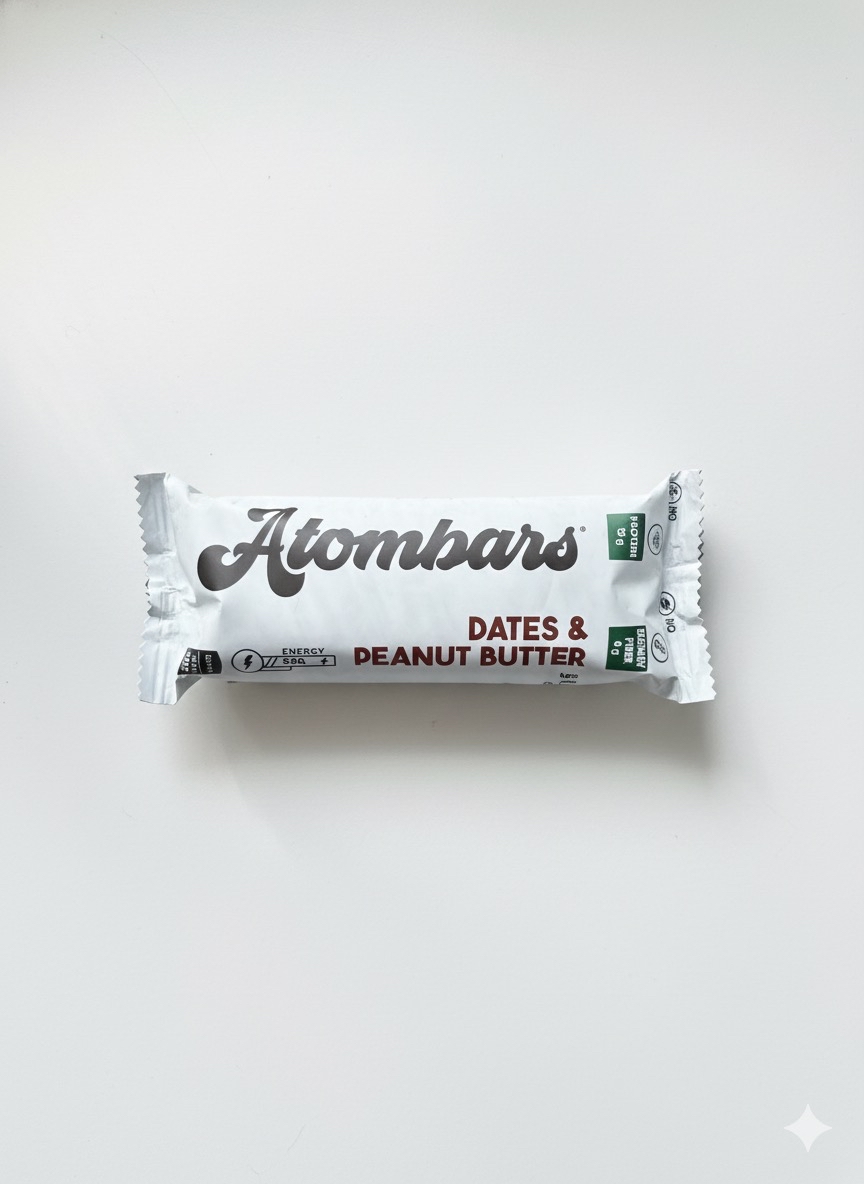
What Are "Macros"? The Beginner’s Guide to Flexible Dieting
If you have spent any time scrolling through health and fitness content on Instagram or TikTok, you have almost certainly heard the phrase "counting macros" or seen the hashtag #IIFYM (If It Fits Your Macros).
But what exactly are macros? Is it just a fancy word for calorie counting? Do you need to be a math whiz to understand them?
The short answer: No. Understanding macros is actually one of the simplest ways to take control of your diet without giving up the foods you love. Here is everything you need to know.
The Basics: What is a Macro?
"Macro" is short for Macronutrient.
Nutrients are divided into two categories:
Micronutrients: Vitamins and minerals that our bodies need in small amounts (like Vitamin C, Zinc, or Iron).
Macronutrients: Nutrients our bodies need in large amounts to create energy and function properly.
When people talk about "counting macros," they are tracking the three big players of nutrition: Protein, Carbohydrates, and Fats.
The Big Three
Each macronutrient plays a different role in your body and contains a specific amount of energy (calories).
1. Protein
The Builder. Protein is the building block of your muscles, skin, enzymes, and hormones. It is essential for repairing tissue after a workout and keeping you feeling full (satiated) so you don't snack all day.
Calories per gram: 4
Best Sources: Chicken, fish, eggs, tofu, lentils, greek yogurt, and lean beef.
2. Carbohydrates (Carbs)
The Energizer. Despite what low-carb trends might tell you, carbs are not the enemy. They are your body's preferred source of fuel, especially for your brain and high-intensity exercise.
Calories per gram: 4
Best Sources: Oats, rice, potatoes, fruits, vegetables, and whole-grain bread.
Tip: Focus on "complex" carbs (fiber-rich veggies and grains) rather than "simple" carbs (sugary sodas and candy) for sustained energy.
3. Fats
The Protector. Dietary fat does not necessarily make you gain body fat. In fact, you need fat to absorb vitamins (like A, D, E, and K) and to keep your hormones regulated.
Calories per gram: 9
Best Sources: Avocados, nuts, olive oil, salmon, seeds, and nut butters.
Note: Because fats have more than double the calories per gram compared to protein and carbs, portion control is key here.
Macros vs. Calories: What’s the Difference?
You might be wondering, "Why should I count macros if I can just count calories?"
Here is the difference: Calories determine how much you weigh; Macros determine how you look and feel.
Imagine you eat 2,000 calories a day.
Scenario A: 2,000 calories of donuts and soda.
Scenario B: 2,000 calories of grilled chicken, rice, avocado, and veggies.
In both scenarios, your weight might stay roughly the same. However, in Scenario A, you will likely feel sluggish, hungry, and lose muscle mass. In Scenario B, you will feel energetic, full, and likely build or maintain muscle definition.
Counting macros helps you focus on food quality and balance, not just starvation or restriction.
How to Get Started
You don't need to be perfect. If you want to try tracking macros, follow these simple steps:
Download an App: Apps like MyFitnessPal, Cronometer, or LoseIt make this easy.
Find Your Baseline: Track what you normally eat for three days without changing anything.
Adjust the Ratios: A common starting point for a balanced diet is 40% Carbs, 30% Protein, and 30% Fat.
Read Labels: Start looking at the nutrition label to see which foods are high in protein vs. fats.
The Bottom Line
"Macros" are simply the fuel your body runs on. By understanding the balance between Protein, Carbs, and Fats, you stop looking at food as "good" or "bad" and start viewing it as fuel for your lifestyle.
Do you track your food, or do you prefer intuitive eating? Let me know in the comments below!
<iframe width="560" height="315" src="https://www.youtube.com/embed/tHVDy4vYApA?si=R7OM_6_2FpQFWnZ-" title="YouTube video player" frameborder="0" allow="accelerometer; autoplay; clipboard-write; encrypted-media; gyroscope; picture-in-picture; web-share" referrerpolicy="strict-origin-when-cross-origin" allowfullscreen></iframe>